
Master composting 101! Our backyard composting guide covers green vs brown ratios and kitchen scraps to help beginners create black gold for organic gardening.
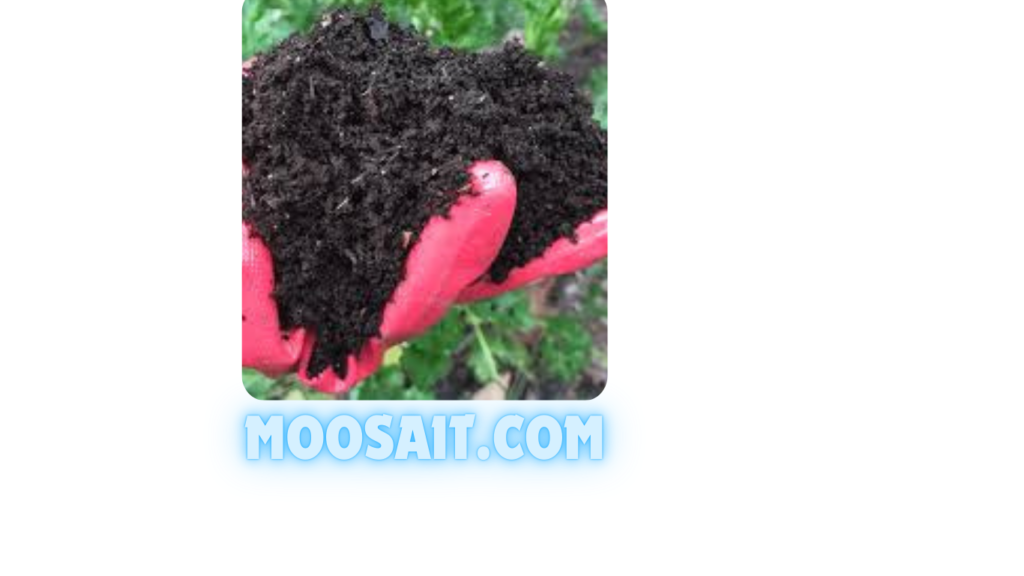
Composting Basics: From Kitchen Waste to Garden Gold
Master composting 101! Our backyard composting guide covers green vs brown ratios and kitchen scraps to help beginners create black gold for organic gardening.
Mastering Home Compost: The Green and Brown Rule
Are you ready to turn your kitchen scraps into “Black Gold”? Whether you have a sprawling backyard or a tiny city apartment, mastering composting basics is the single most effective way to boost your garden’s health while reducing waste.
In this guide, we go beyond simple “common sense” and dive into the scientific metrics of aerobic decomposition, microbial activity, and the perfect carbon-to-nitrogen ratios to help you succeed.
What is Composting?
Composting is the natural process of recycling organic matter, such as leaves and food scraps, into a valuable fertilizer that can enrich soil and plants. Think of it as nature’s way of recycling. The end result is a dark, crumbly substance known as humus, which provides unparalleled soil amendment benefits.
Why Start Composting Today?
Before learning how to start composting, it is important to understand the value of the final product.
-
Soil Health: Improves soil structure, aeration, and water retention.
-
Environmental Impact: Reduces methane emissions from landfills.
-
Cost Savings: Eliminates the need for expensive chemical fertilizers.
-
Microbial Activity: Encourages beneficial fungi and bacteria that protect plants from diseases.
For more expert gardening tips and sustainable lifestyle resources, visit moosait.com.
The Science of Success: Metrics That Matter
Unlike basic guides, a data-driven approach ensures your pile doesn’t just sit there—it cooks.
The Golden Carbon-to-Nitrogen (C:N) Ratio
To achieve rapid aerobic decomposition, you need a balanced diet for your microbes. The ideal ratio is 30:1 (Carbon to Nitrogen).
-
Too much Carbon (Browns): The pile stays cold and decomposes very slowly.
-
Too much Nitrogen (Greens): The pile becomes slimy, loses oxygen, and creates anaerobic odors.
Moisture and Temperature Control
-
Moisture Level: Your compost should feel like a wrung-out sponge (40–60% moisture).
-
Hot Composting Temperature: To kill weed seeds and pathogens, your pile should reach 131–160 °F. Use a compost thermometer to track this microbial activity.
Composting 101: Green vs. Brown Materials
Understanding the difference between nitrogen-rich materials and carbon-rich materials is the foundation of composting for beginners.
| Material Type | Examples | Role in Compost |
| Nitrogen-Rich (Greens) | Kitchen scraps, grass clippings, coffee grounds | Provides protein for microbes |
| Carbon-Rich (Browns) | Dry leaves, straw, cardboard, sawdust | Provides energy/fuel for microbes |
What Not to Put in Your Compost Pile
To avoid pests and anaerobic odors, never add:
-
Meat, grease, or dairy products.
-
Pet waste (dog/cat feces).
-
Diseased plants.
-
Coal or charcoal ash.
-
Plastic or synthetic fibers.
Comparison: Which Composting Method is Right for You?
| Method | Effort Level | Space Needed | Speed | Best For |
| Hot Composting | High | Medium | 4–8 Weeks | Dedicated Gardeners |
| Cold Composting | Low | Small/Med | 6–12 Months | Busy Homeowners |
| Bokashi | Medium | Tiny (Indoor) | 2–4 Weeks | Apartment Dwellers |
| Vermicomposting | Medium | Small | 2–3 Months | Indoor/Small Spaces |
| Windrow Composting | High | Large | 3–6 Months | Farms/Large Estates |
How to Start Composting: A Step-by-Step Guide
Step 1: Choose Your Spot
Select a dry, shady spot near a water source. If you are doing backyard composting, you can use a bin composting system or a simple open pile.
Step 2: Layer Your Materials
Start with a 4-inch layer of carbon-rich materials (like branches or straw) to allow for airflow at the bottom. Follow with a layer of nitrogen-rich materials.
Step 3: Maintain the Pile
How often to turn compost? For fast results, turn your pile every 3 to 7 days. This introduces oxygen, which is vital for aerobic decomposition.
Step 4: Monitor Moisture
If the pile is too dry, sprinkle it with water. If it’s too wet, add more “browns” like shredded cardboard or composting leaves separately that have been dried.
Advanced Composting Strategies
Apartment Composting: No Yard, No Problem
If you live in a city, Bokashi (fermentation) or Vermicomposting (using red wiggler worms) are excellent options. These methods are fast and can be done under a kitchen sink without smelling.
Winter Composting: Keeping the Fire Alive
In cold climates, microbial activity slows down. To keep your compost going in winter:
-
Insulate: Use straw bales around your bin.
-
Decrease Particle Size: Chop your kitchen scraps smaller so they break down faster.
-
Use a Dark Bin: To absorb sunlight and retain heat.
Leaf Mold: Composting Leaves Separately
Leaves are high in carbon. By composting leaves separately, you create “leaf mold,” a fungal-driven soil conditioner that is world-class for moisture retention in organic gardening basics.
Troubleshooting: How to Fix a Smelly Compost Pile
If your compost smells like rotten eggs, it has gone anaerobic (lack of oxygen).
-
The Fix: Turn the pile immediately to add air and mix in more carbon-rich materials like dry leaves or shredded paper to soak up excess moisture.
Frequently Asked Questions (FAQ Schema)
Q: Why does my compost smell?
A: A smelly pile usually means it’s too wet or has too much nitrogen. Add “brown” materials and turn the pile to increase oxygen.
Q: Can I compost citrus peels?
A: Yes, in moderation. Large amounts can be acidic and may slow down some worms in vermicomposting, but in a standard pile, they are fine.
Q: How long does it take to get finished compost?
A: Depending on the method, it can take anywhere from 2 months (Hot) to 12 months (Cold).
Q: What is “Black Gold” in gardening?
A: “Black Gold” is a nickname for high-quality, finished compost that is rich in nutrients and beneficial microbes.
Conclusion: Transforming Your Garden
Mastering composting basics is a journey of turning waste into wealth. By focusing on the 30:1 C:N ratio, maintaining microbial activity, and choosing the right method for your lifestyle, you are participating in the ultimate form of natural soil amendments.
Ready to take your garden to the next level? Explore more guides on organic gardening basics at moosait.com.